
Written By: Sydney Slack, Museum Program Fellow
At Boston Children’s Museum, we believe play and exploration aren’t just fun — they’re essential. Play helps kids grow, learn, and understand the world around them in ways that are just as important as what they learn in school, at home, or during after-school programs.
To support this kind of learning, we build the Museum experiences around what we call Habits of Mind — ways of thinking and being that help children (and adults!) stay curious, creative, and confident. These habits support skills like asking questions, staying open to new ideas, and trying something even if you’re not sure how it’ll turn out.
In this new blog series, we’ll be diving into each Habit of Mind and sharing how we see them show up in the Museum, in everyday life, and beyond. Each post will focus on one Habit, but keep in mind: they often work together. You might notice how one habit leads into another, or how they overlap with each other. First up: Taking Risks
Walking into the Museum, the New Balance Foundation Climb is one of the first things most people notice. How could you miss it? It’s enormous and obscures most of the first floor from view. For some visitors, this large, netted climbing structure is the highlight of their visit. For others, the three stories of oddly shaped and slanted platforms is terrifying. For me, the Climb demonstrates how our museum supports children and their families in taking risks.


Here at the Boston Children’s Museum, we try to foster different Habits of Mind. These are skills and ways of thinking that will grow and adapt along with our children, helping prepare them for everything life offers. Taking Risks is one of those Habits of Mind, focused on testing our own limits, learning to be comfortable with uncertainty, and being okay with failure. The Museum provides many great opportunities for children and adults to take risks and try new things in a safe and secure place.
When children enter the Climb for the first time, they don’t always know where they’ll end up. The uncertainty equates to risk on the part of both children and their caregivers. For the children, the risk involves being able to problem solve, find a path to the top, AND be able to make it back down again. The risk for adults is trusting their children to be able to do just that. When the child inevitably does get to the top, they are often extremely proud of themselves, shouting “look at me!” to the adults waiting below.
As a Visitor Experience Ambassador, it became easy to tell when a child was not so thrilled about the idea of climbing up the imposing structure, but wanted to try anyway. I quickly learned that an easy way to approach this fear was to remind the child that they could climb only as high as they felt comfortable. In other words, there was no pressure to make it all the way to the top. The Climb is a great place for children to experiment with their personal boundaries and ability to overcome their fear. If they don’t make it to the top, then that just means they have a new challenge for their next visit and begin to recognize the feelings of disappointment and “failure.” Being able to name and acknowledge those feelings is the first step of learning how to cope and move on from future disappointment.
Another area at the Museum where children are often hesitant to engage is our KidStage theater, which strikes many adults as odd. It is easy to forget that, to young children still discovering the world, the entrance to a theater is dark and unknown. For older children, who may have had some experience presenting to their classmates or friends, getting up on stage might be a source of anxiety or feel embarrassing. Even adults struggle with stage fright, and many of us have had plenty of practice sharing our ideas in front of groups.
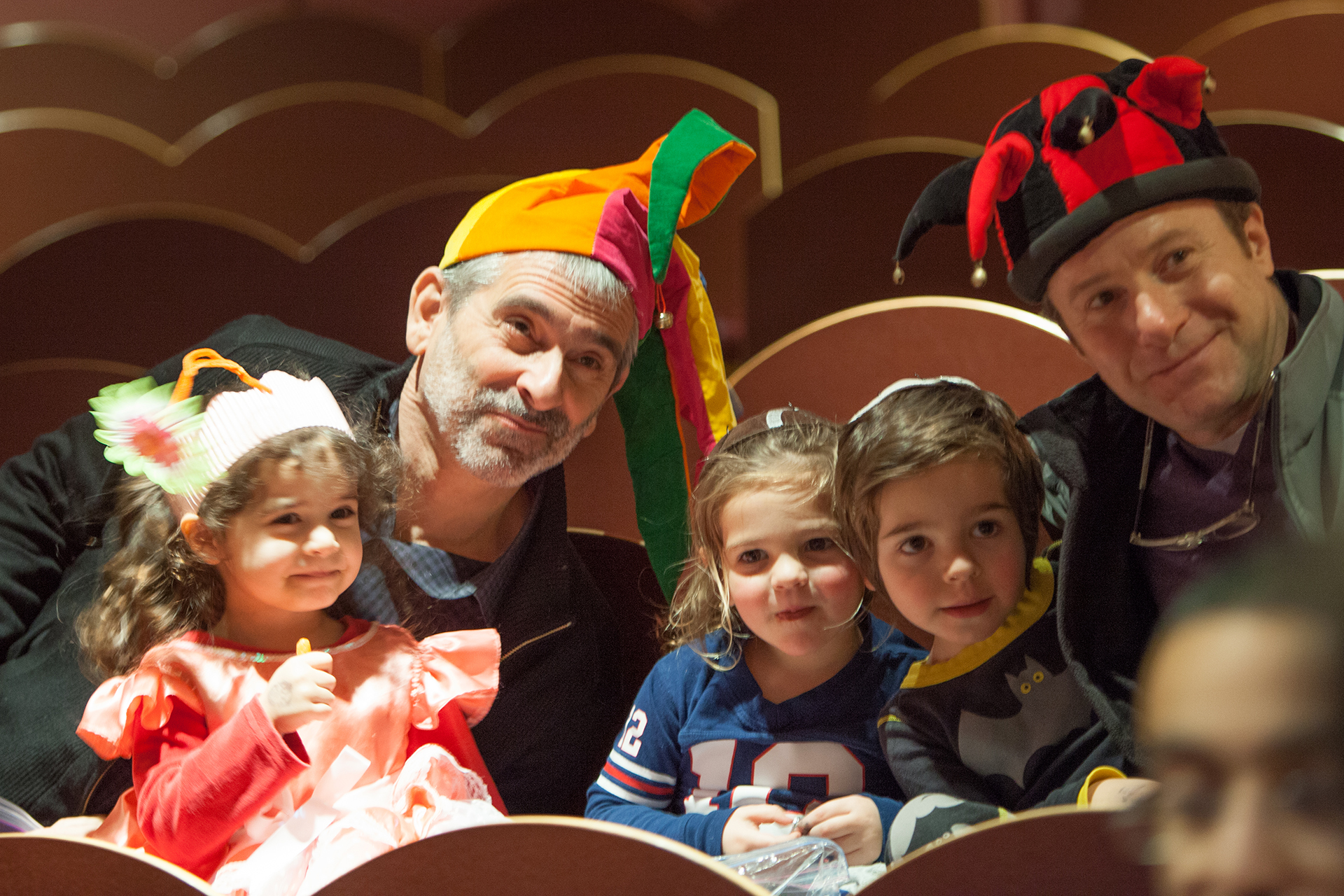
By entering into KidStage, children can confront any fears they may have in this low-risk environment. The entrance may be dark, but once they enter, they’ll see the stage is well-lit and usually full of colorful toys, costumes, or set pieces. When they find the production or activity on the other side of that fear, it builds their confidence in their ability to do hard things. Having fun, singing a song, dressing up, or watching an awesome performance means that the child took a risk and reaped the rewards. As adults, both caregivers and staff, we can aid in this process by inviting children into the space, encouraging them to try new activities, and participating in the activities ourselves. It is not uncommon to see myself or Lessie, the Museum’s Arts and Social Impact Educator, walking around the Museum in a tutu, butterfly wings, or a superhero cape to invite visitors to join us for our Dress to Express program!
Depending on the child, it may be helpful to tell them ahead of time what is happening in KidStage in order to set expectations for the space. However, this is where less can be more. By not sharing exactly what will happen, children have more room to discover the space and tackle risk on their own terms. They can begin to practice bravery and coping skills, strengths they will need to deal with difficult things throughout life.
Finally, I’d like to turn our attention to something that many adults (including myself) find a bit uncomfortable: worms. On rainy mornings when we cannot enjoy time outside on Fenway Farms at Boston Children’s Museum (our second floor Green Roof), Green City Grower’s farmer educator brings in red wiggler worms that visitors can look for in the dirt and gently pick up. Of course, there is nothing inherently risky in holding a worm, but many of our visitors are still hesitant to do so. Even I avoid holding them because I don’t love the idea of something crawling and wriggling in my hand. Many of our younger visitors have never even seen or know what a worm is, so their resistance is compounded by their caution around the unknown. This is yet another example of a low-risk environment in which children (and their adults) can take as many tries as they want to attempt a somewhat scary experience. Here at the Museum, we encourage children to try new things, but we also understand that maybe this visit isn’t the right time. If they don’t want to hold the worm today, perhaps they will try again next time or even when they come back later the same day.
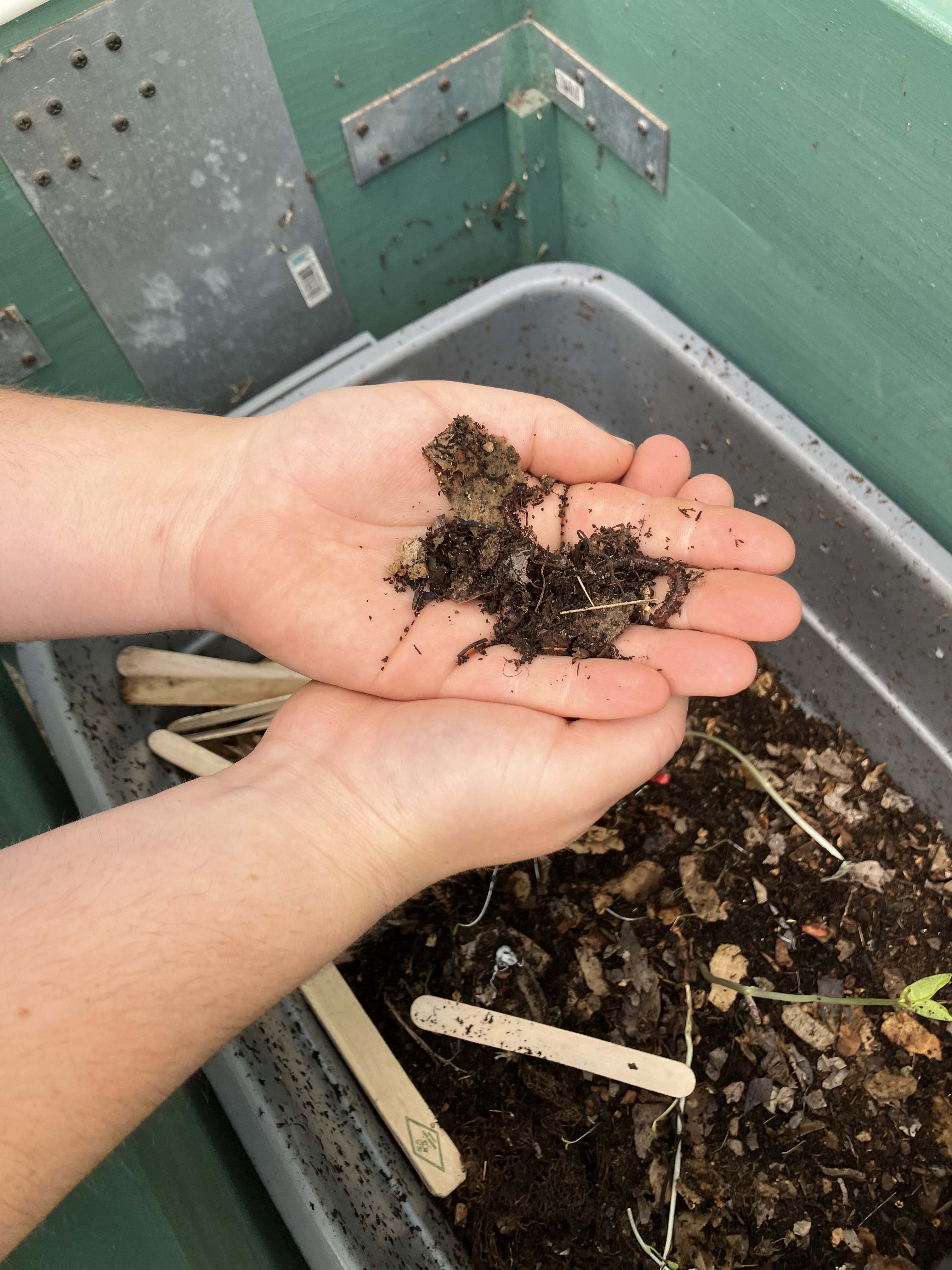
The worm exploration activity is also where I most often see visitors take inspiration from others. Seeing an older sibling, a friend, or even a complete stranger do something you are scared to do makes it seem all that more possible and gives up the jump we need to take the risk. It is instinctual for most of us to demonstrate that something is not as dangerous as originally believed. Even better is when we show that we, as grownups, are willing to take on a perceived risk despite our discomfort. I am not afraid to tell visitors that I don’t like holding the worms. They might see me holding one a different child had dumped in my hands just moments later. I hope that seeing that shows them it is okay to be uncomfortable.
By making “taking risks” one of our Habits of Mind, I hope that we are starting our young visitors down the road of evaluating risk, building self-confidence, and practicing skills that will serve them well throughout life.

 The Power of Play